What a 69-Year-Old Lennox Furnace Proves About Maintenance
August 14, 2026
How Dirty Is Your Air Conditioner After Cottonwood Season?
August 22, 2026
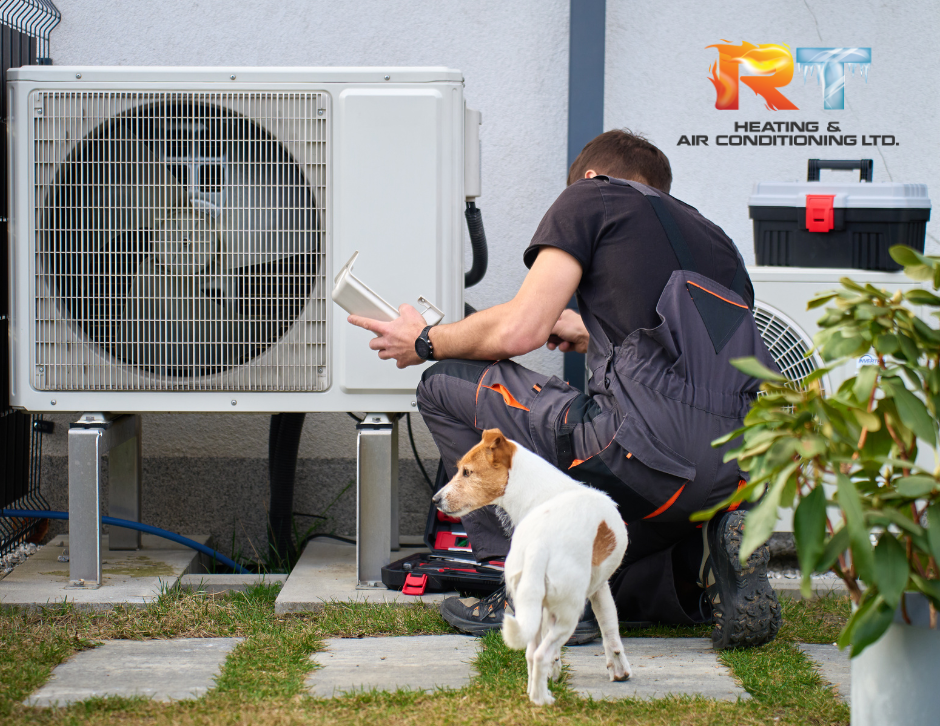
Around the world, countries are experimenting with new ways to heat homes more efficiently. One of the largest real-world examples is taking place in Germany, where the country is working to reduce its reliance on natural gas by encouraging greater adoption of heat pumps and electric heating systems.
The transition hasn’t been simple. While many homeowners have embraced newer technologies, others have found that older homes, installation costs and regional climate differences present challenges that take time to overcome. Rather than viewing these obstacles as setbacks, we see them as valuable learning opportunities.
Every large-scale change teaches manufacturers, contractors and homeowners something new about how heating systems perform in the real world.
Germany Is Becoming a Real-World Testing Ground
Heating technology evolves much faster when thousands or even millions of systems are installed across an entire country.
Germany’s transition is providing manufacturers with enormous amounts of data about equipment performance, electrical demand, homeowner expectations, installation practices and long-term operating costs. Engineers are learning which heat pumps perform best in colder weather, how hybrid heating systems operate under varying conditions and where building improvements have the greatest impact on energy consumption.
That information doesn’t stay in Germany. Global manufacturers continuously use field data to improve future generations of heating equipment sold around the world.
Those Innovations Eventually Reach Canada
Many of the HVAC products available in Canada today are the result of decades of international research and development. As manufacturers refine compressors, refrigerants, variable-speed motors and smart controls, those improvements eventually become available to Canadian homeowners. Today’s cold-climate heat pumps, for example, are far more capable than similar systems produced only ten years ago.
The same is true for the high-efficiency gas furnaces that we install in Red Deer and throughout Central Alberta right now. Variable-speed blowers, communicating thermostats and sophisticated control systems have all evolved through years of research, testing and real-world experience. These systems are far more effective and efficient than those that came before them.
As global markets continue experimenting with new technologies, we’re excited to see just how our industry will evolve to better serve you.
Alberta Will Always Need Alberta Solutions
Of course, not every innovation transfers directly to Central Alberta. Our winters are longer, colder and place very different demands on heating equipment. That’s why we evaluate every new technology through the lens of our own climate before recommending it to homeowners.
For some homes, a high-efficiency furnace remains the best long-term investment. Others may benefit from hybrid heating systems that combine multiple technologies. As cold-climate heat pumps continue to improve, they may become an increasingly practical option for certain applications.
The HVAC industry has always evolved through experience. Better equipment, smarter controls and more efficient systems are often the result of lessons learned over many years of real-world operation.
By watching how countries like Germany implement new heating technologies, we gain valuable insight into what works, what still needs improvement and which innovations are likely to benefit Canadian homeowners in the future.
At RT Heating & Air Conditioning, we stay current with developments across the HVAC industry because our goal is simple: to recommend heating solutions that deliver dependable comfort, excellent efficiency and long-term value for Central Alberta families.
Whether you’re considering new furnaces, exploring emerging technologies or planning for a future replacement, we’re here to help you make an informed decision.